
Easter Island
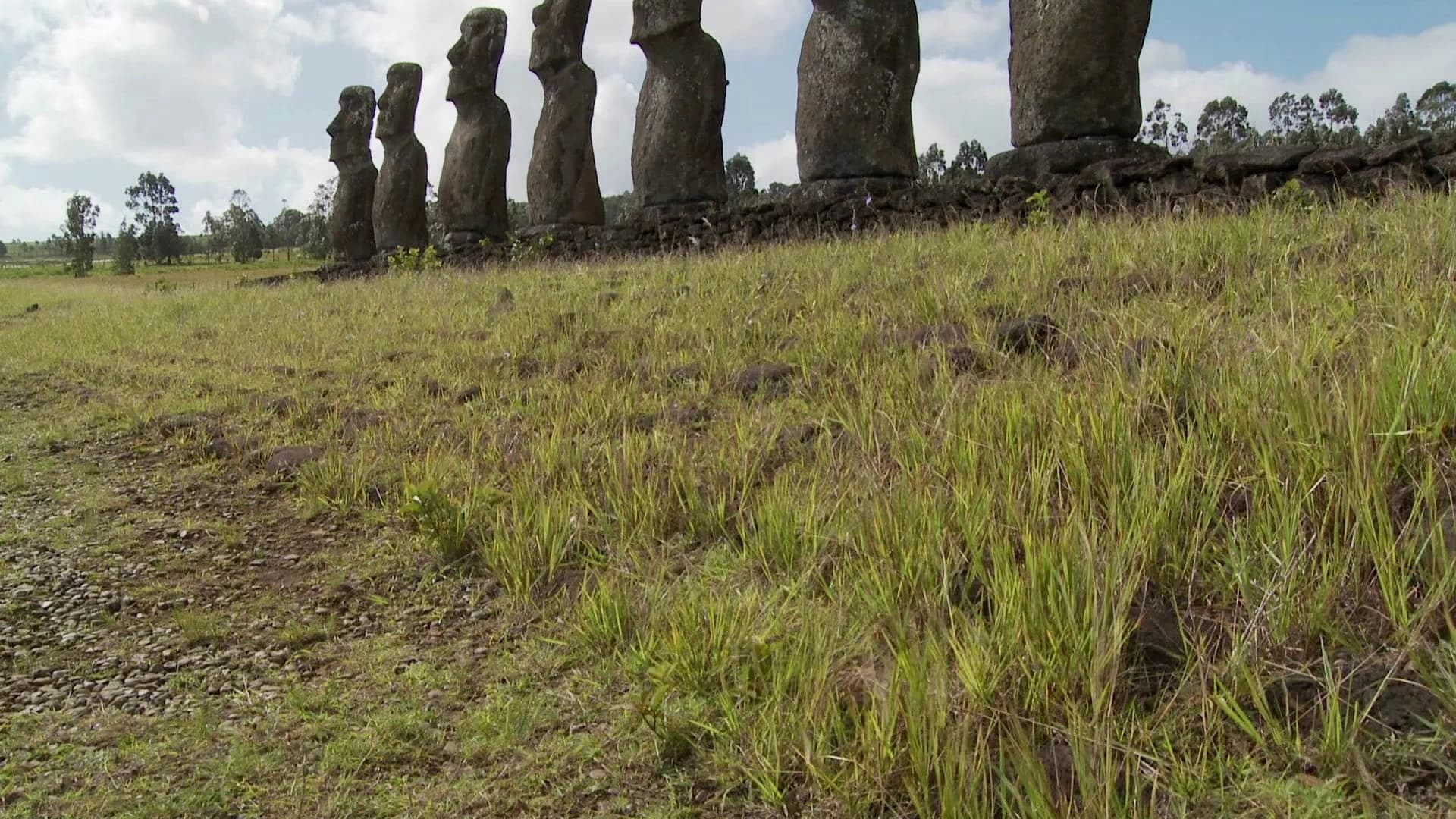
Rising from the vast emptiness of the South Pacific, over 3,700 km from the Chilean mainland, Rapa Nui is one of the most isolated inhabited places on Earth. Yet this small volcanic island holds one of humanity's greatest mysteries: nearly a thousand monolithic Moai statues standing guard over volcanic craters, wild coastlines, and rolling green hills. Beyond the archaeology, Easter Island is a living Polynesian culture with its own language, music, and traditions. Dive into crystalline waters, trek across volcanic ridges, or witness a sunrise behind a row of silent stone giants.
Highlights
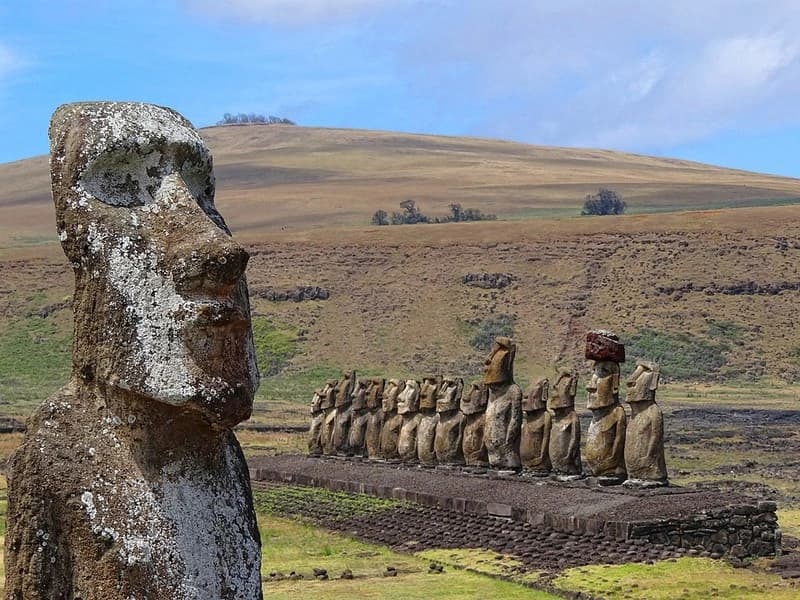
Ahu Tongariki
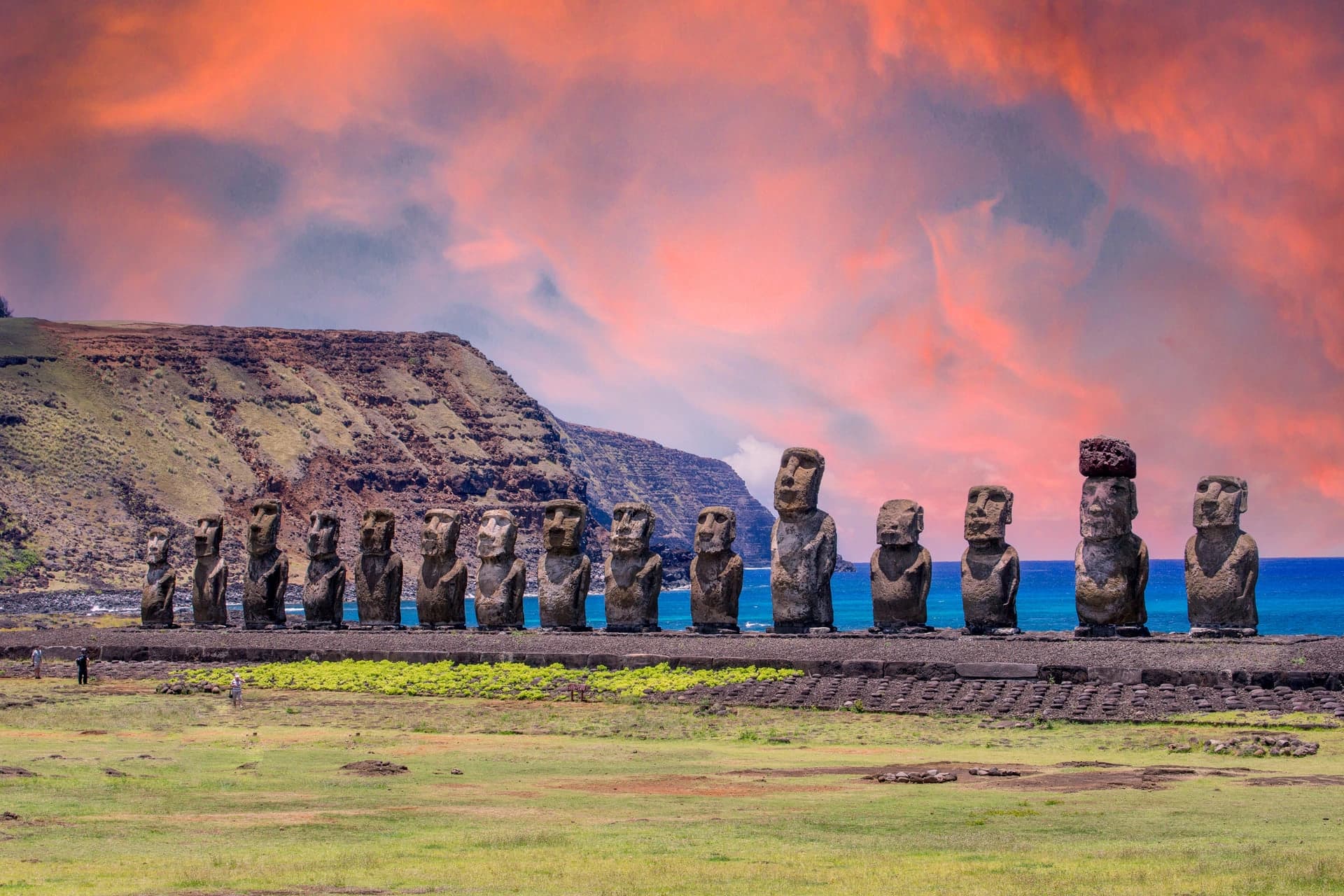
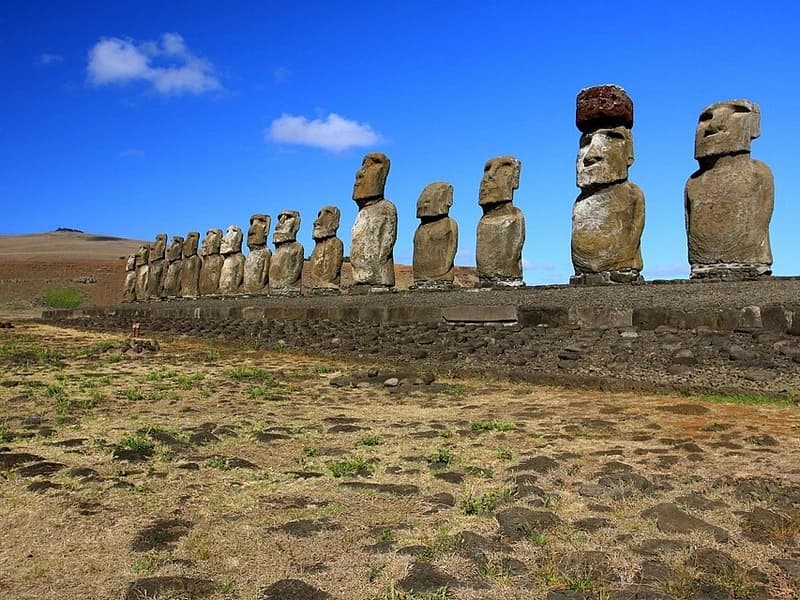
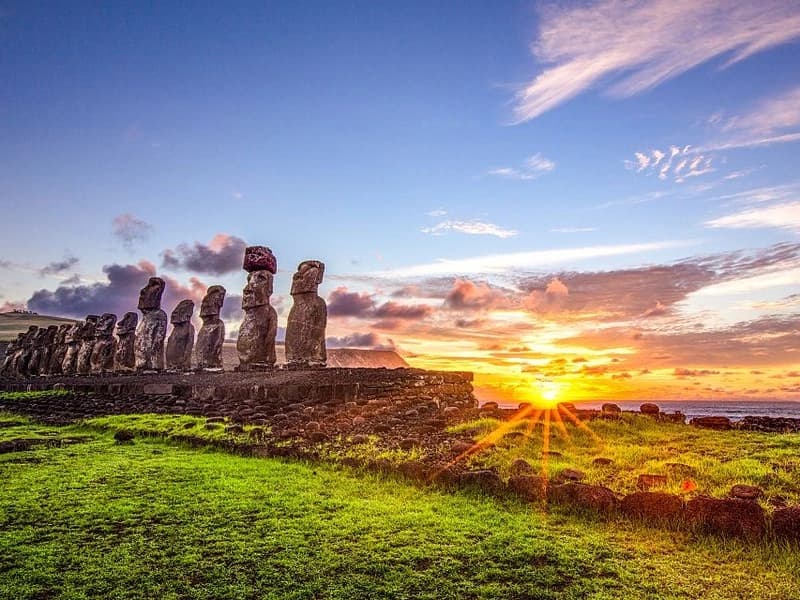
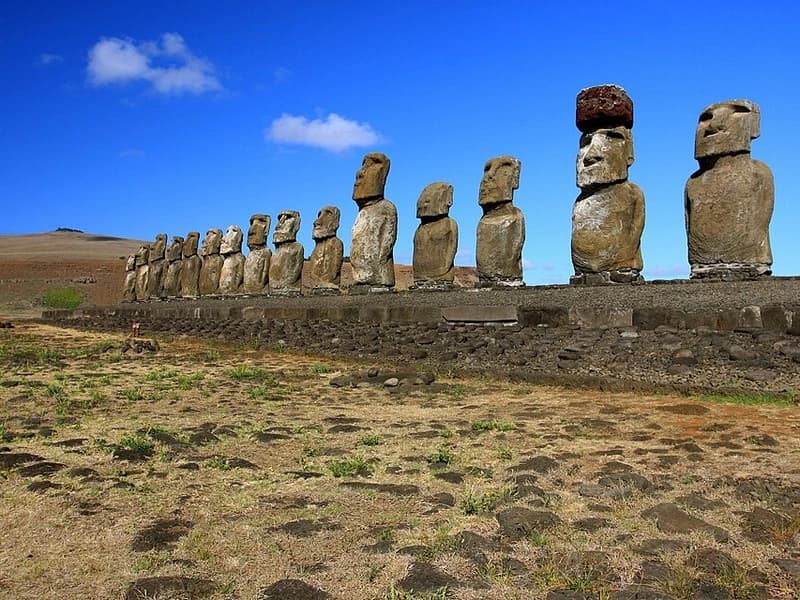
Fifteen restored Moai standing in a row against the Pacific horizon, forming the largest ceremonial platform on the island and one of the most powerful sunrise viewpoints imaginable.
Rano Raraku
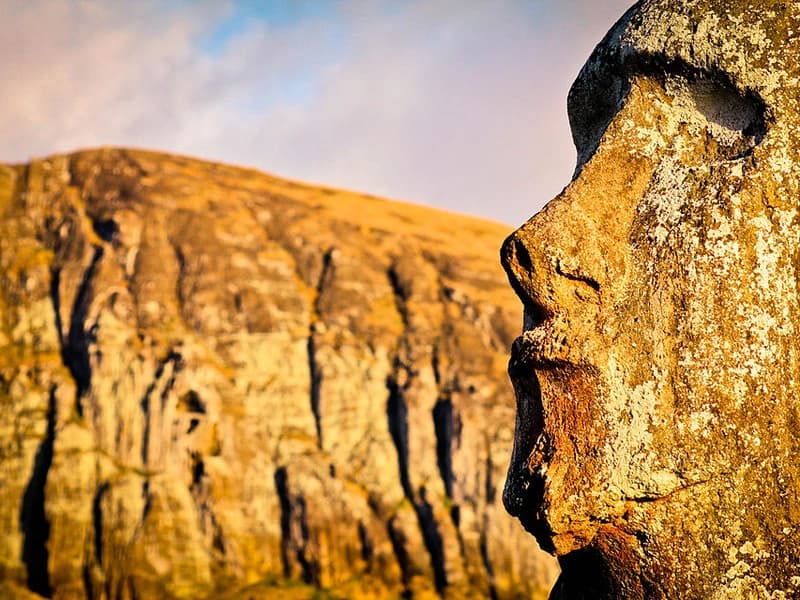
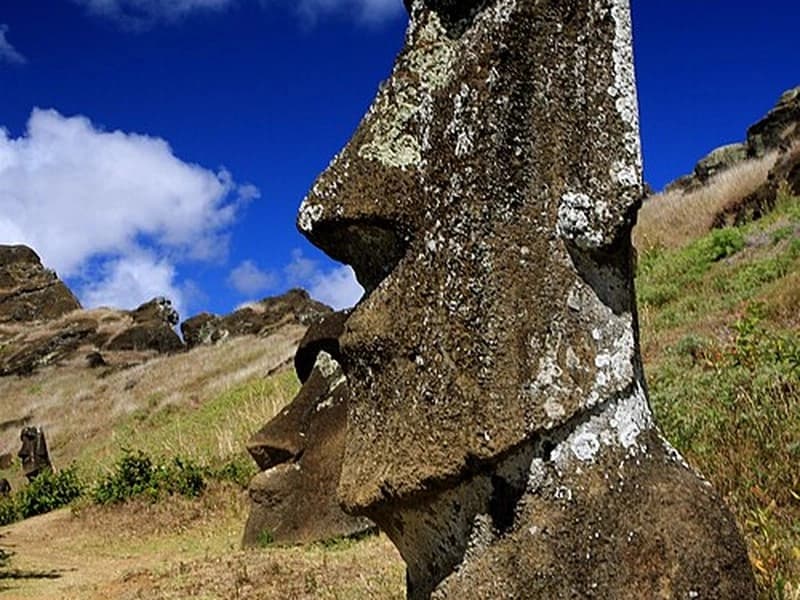
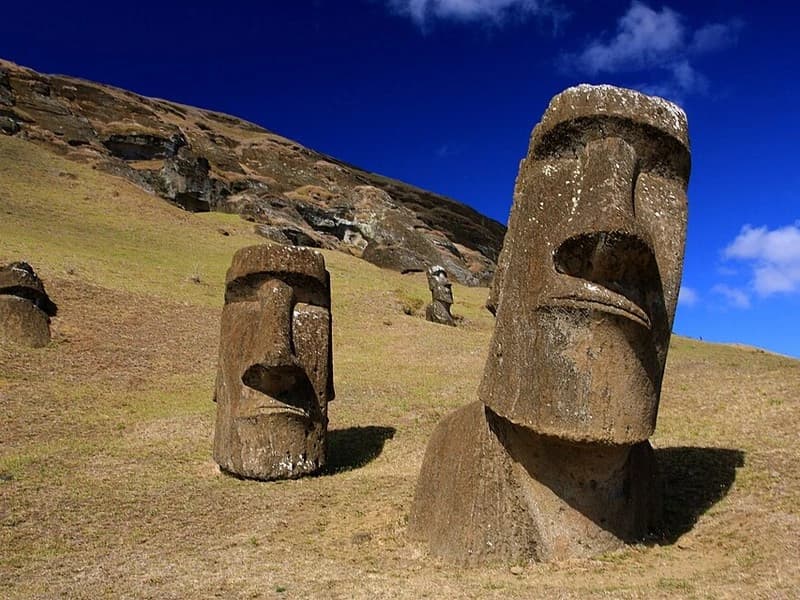
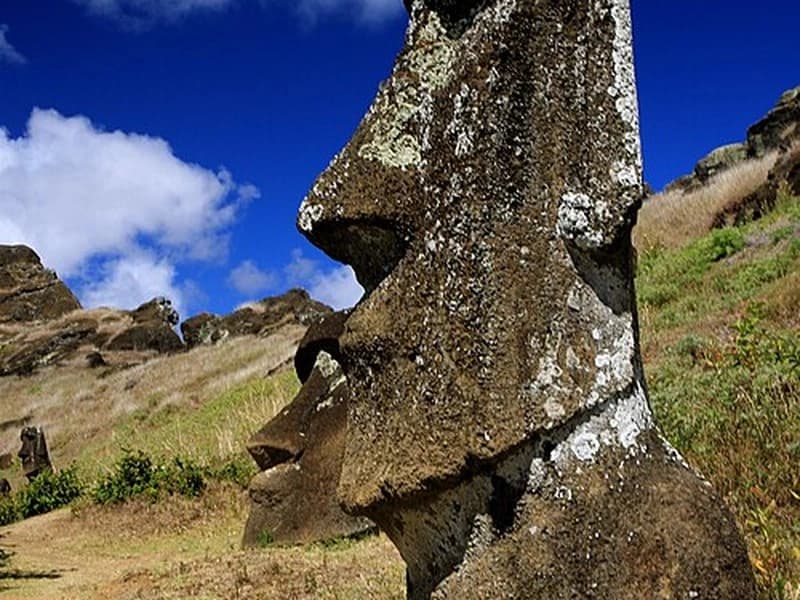
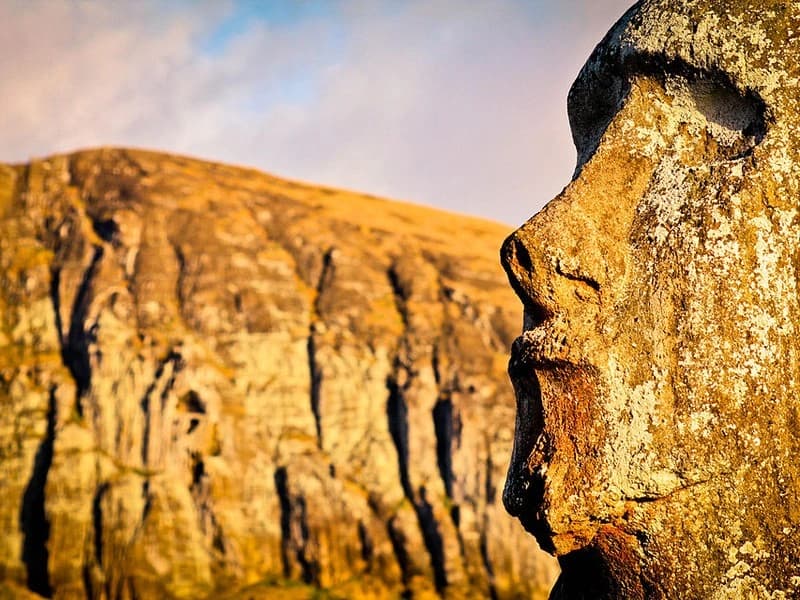
The volcanic quarry where nearly all Moai were carved. Hundreds of statues in various stages of completion remain scattered across the hillside, frozen mid-creation.
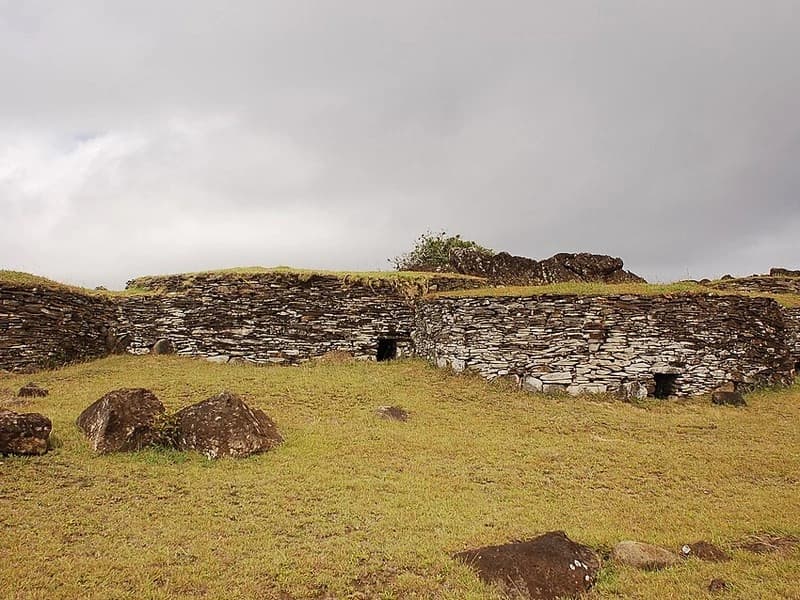
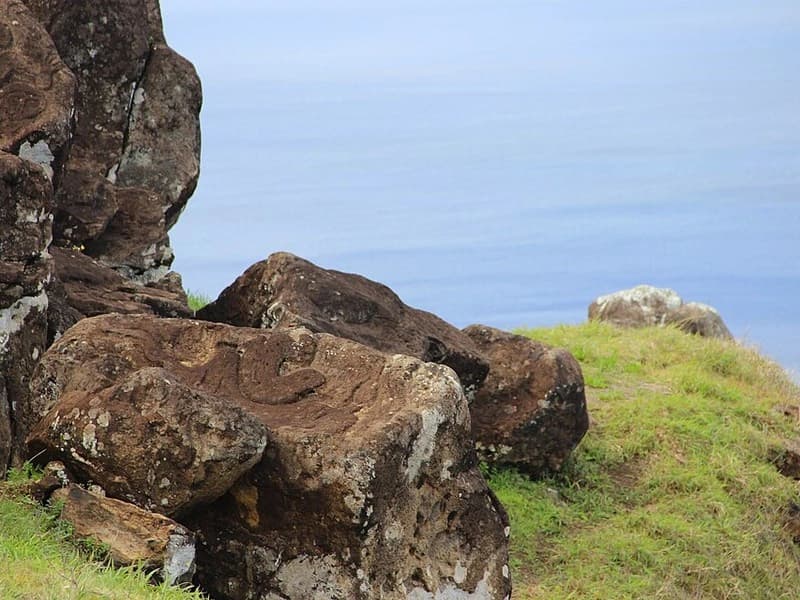
Orongo
Ceremonial Village
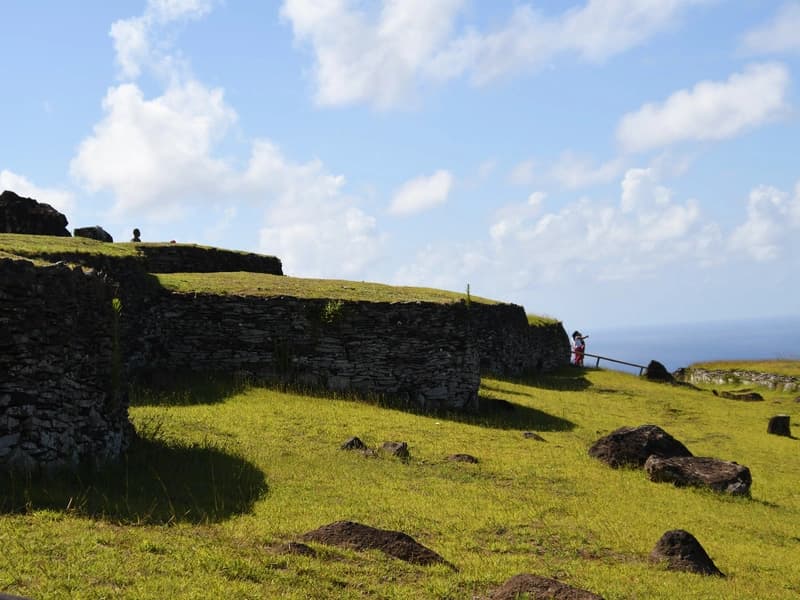
Perched on the rim of the Rano Kau crater overlooking the ocean, this sacred site was the center of the Birdman cult and offers some of the most dramatic views on the island.
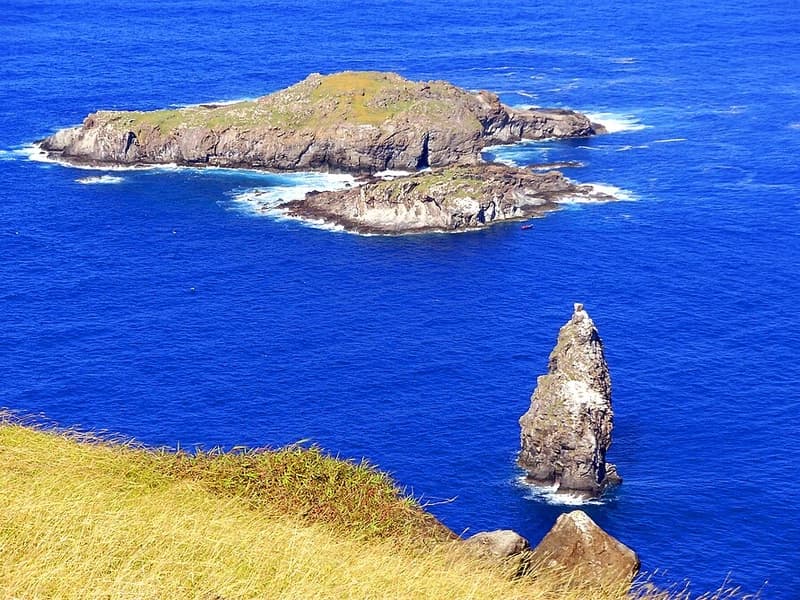
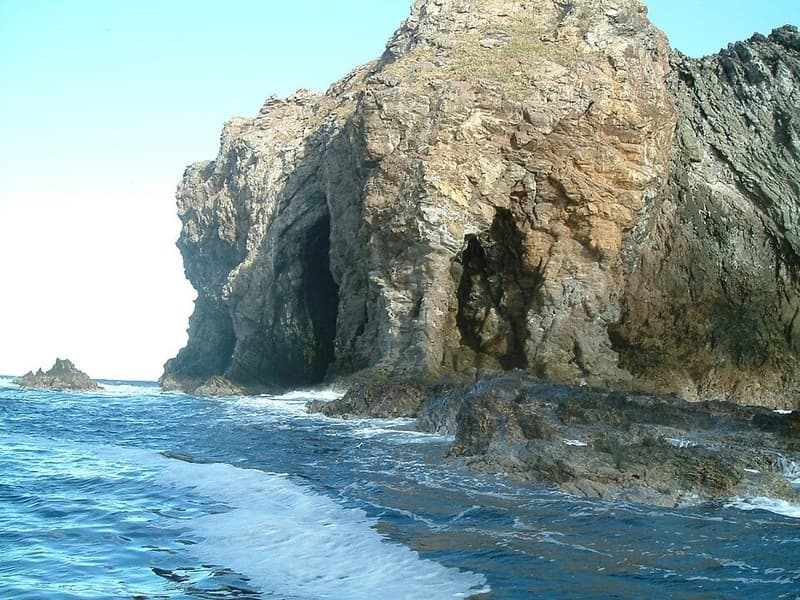
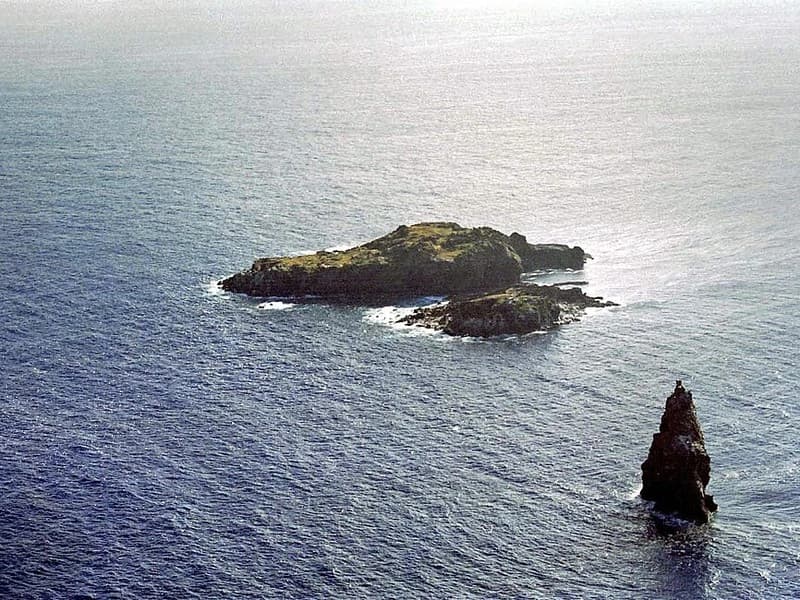
Diving at Motu Nui
Crystal-clear waters with up to 60 meters of visibility, underwater Moai replicas, coral formations, and encounters with sea turtles and tropical fish off the island's rocky coast.
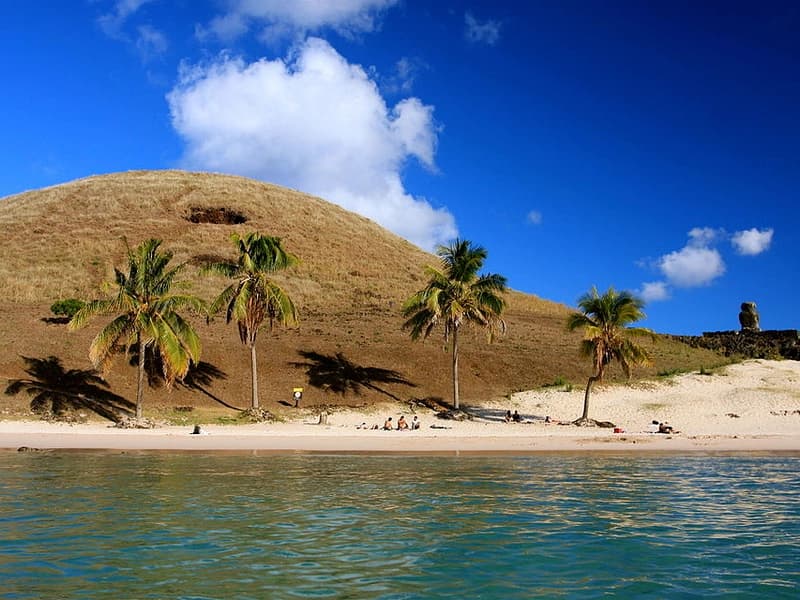
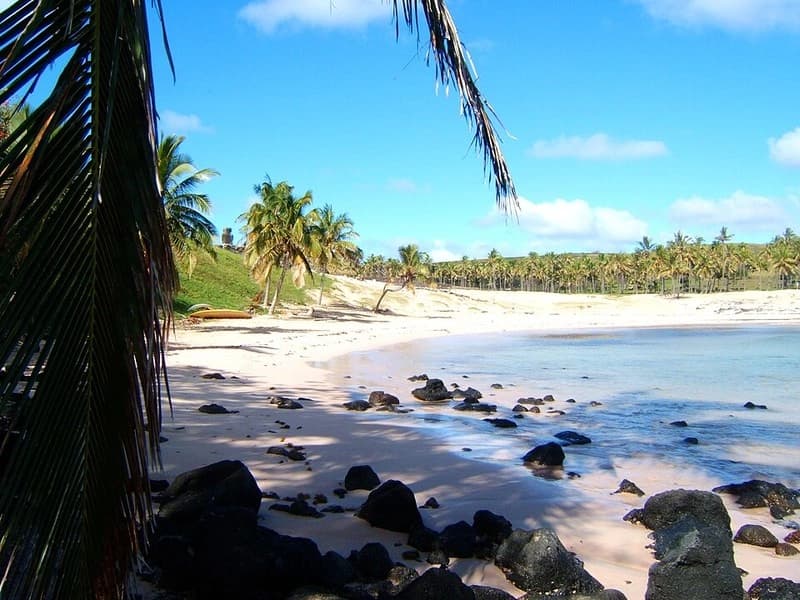
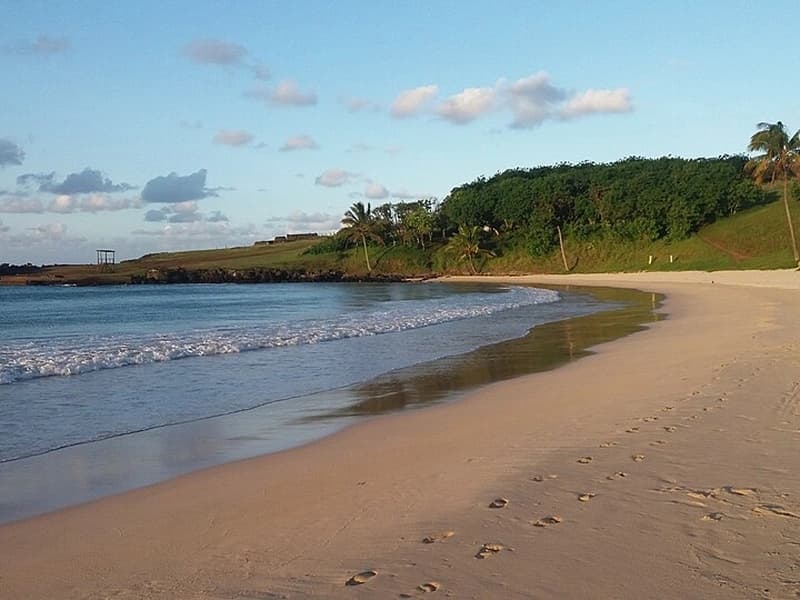
Anakena Beach
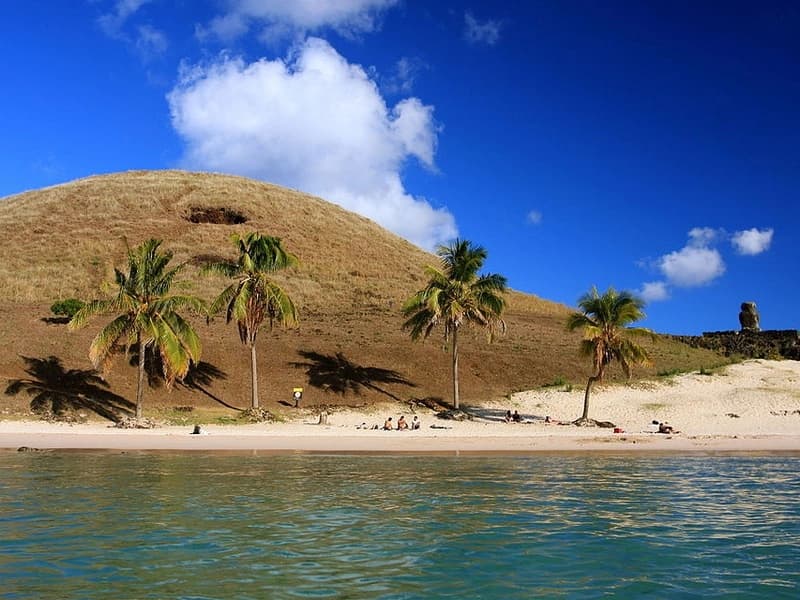
A pristine white coral sand beach lined with palm trees and backed by restored Moai, blending Polynesian paradise with the island's archaeological wonder.
Tapati Rapa Nui Festival
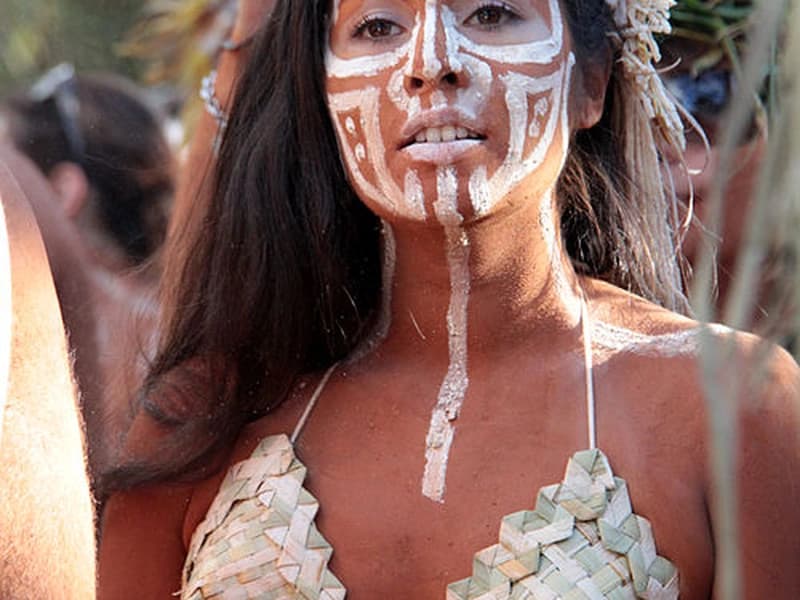
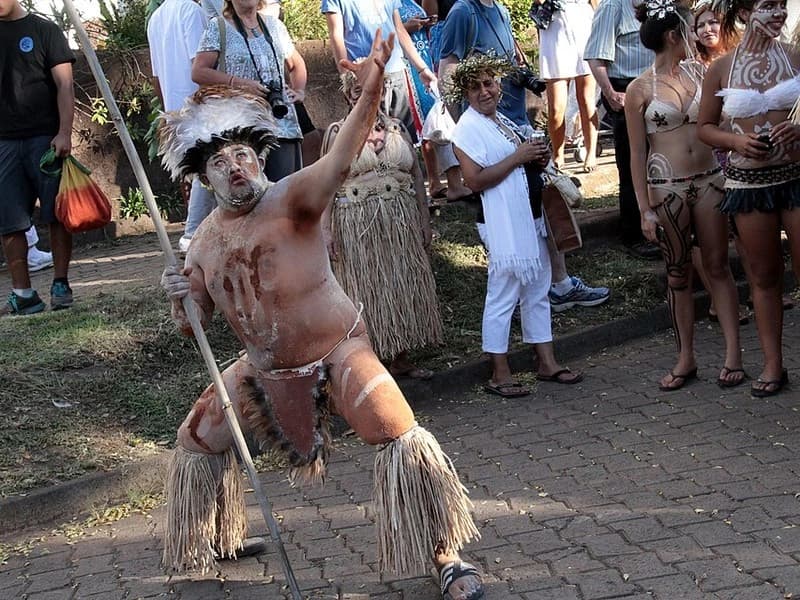
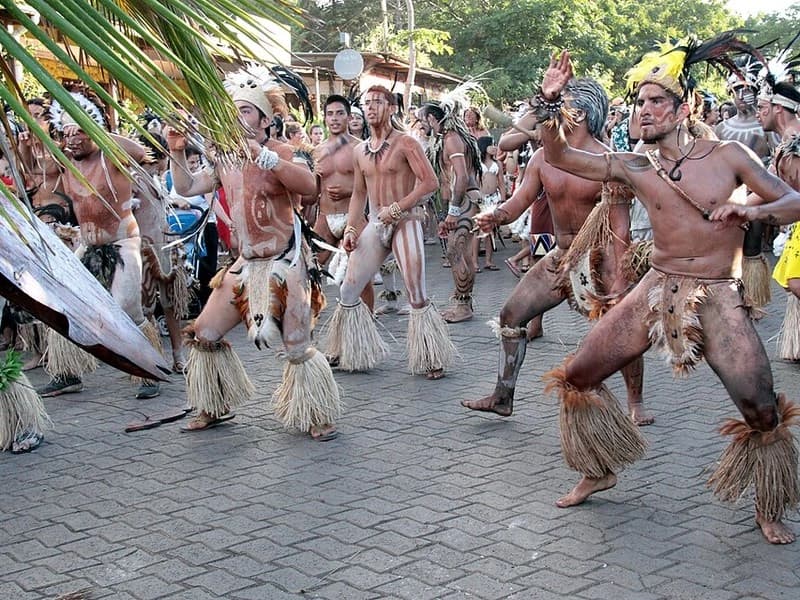
The island's annual cultural celebration featuring traditional sports, carved body painting, music, dance competitions, and a deep expression of Rapa Nui identity held every February.
Suggested Itinerary
5 Days / 4 Nights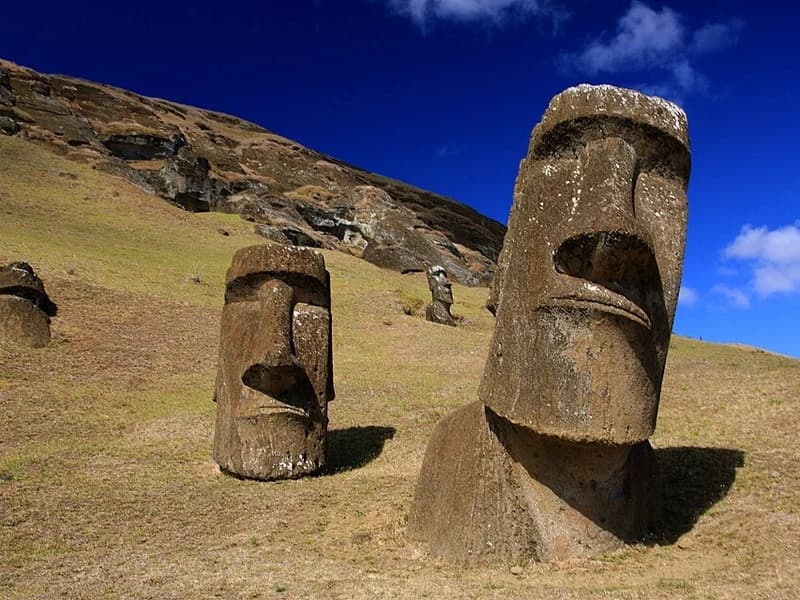
Rapa Nui Orientation tour
At a pre-arranged time, your guide will pick you up at the hotel for a cultural tour exploring the history of the Rapa Nui civilization and its iconic moai statues. The excursion includes visits to Ahu Tahai, an important ceremonial complex restored by archaeologist William Mulloy, and Ahu Hanga Kioe along the island's west coast. The tour concludes at the Padre Sebastián Englert Anthropological Museum, which houses a valuable collection illustrating the cultural legacy of Rapa Nui.
Overnight: Nayara Hangaroa
Where
To Stay
Luxury Lodges
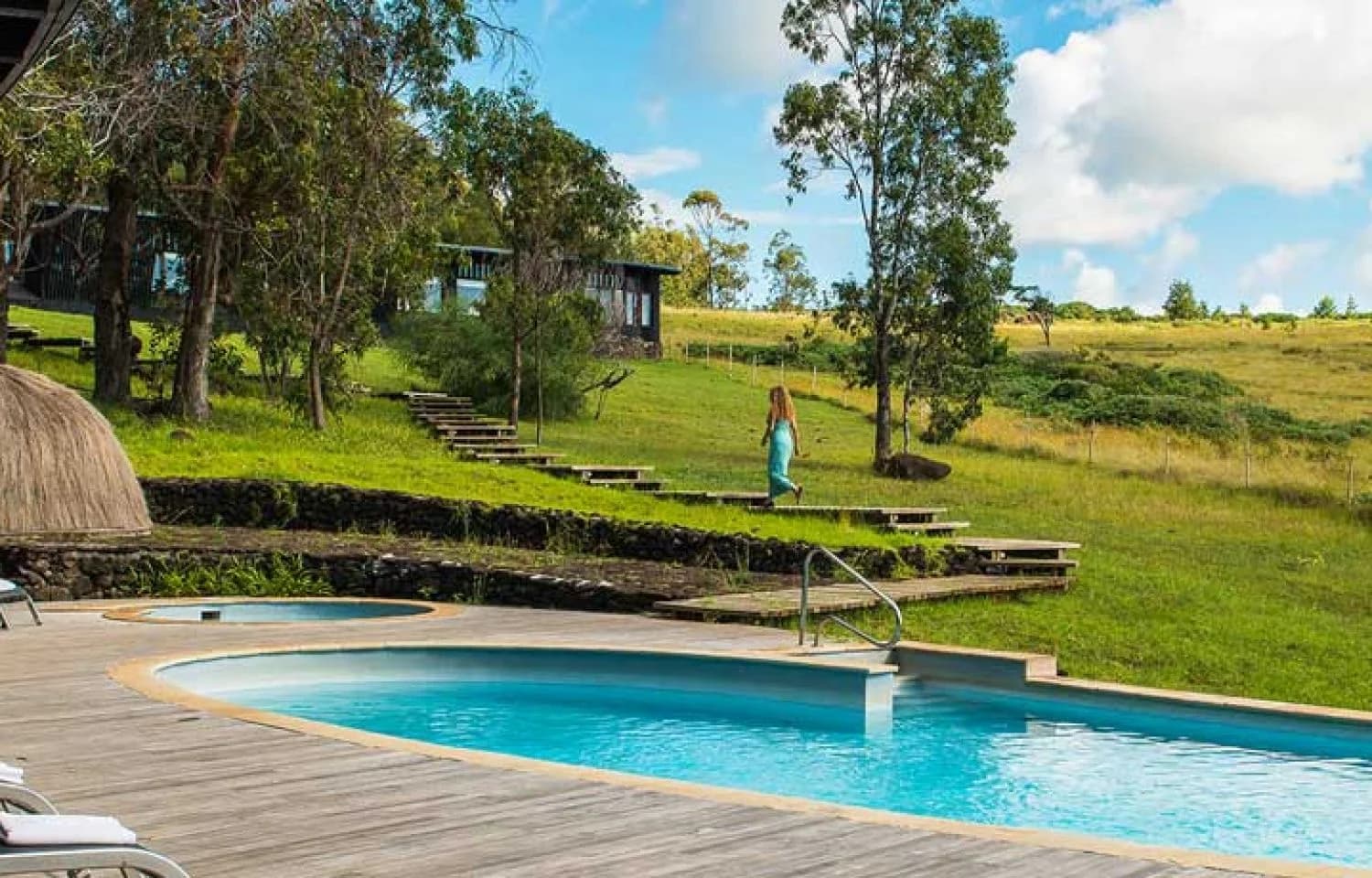
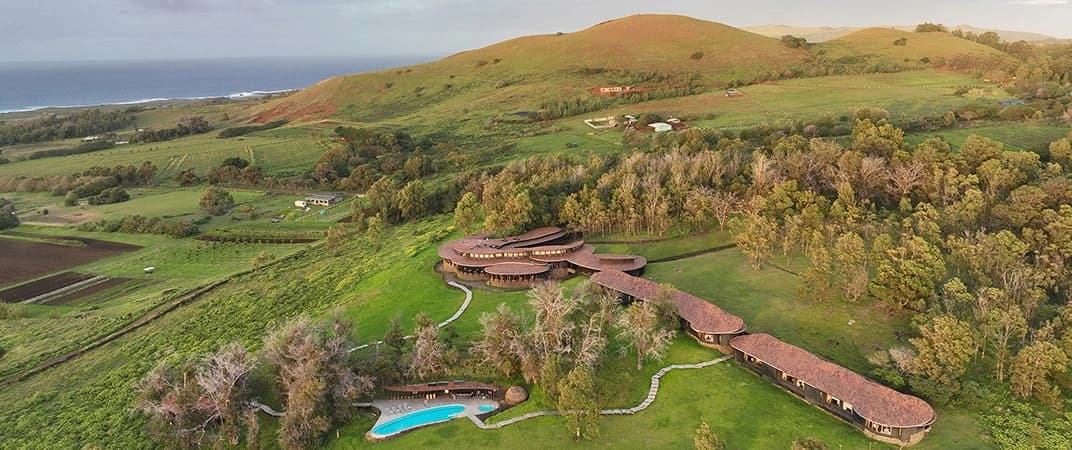
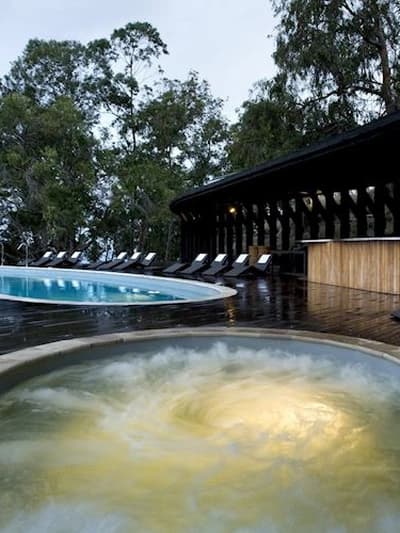
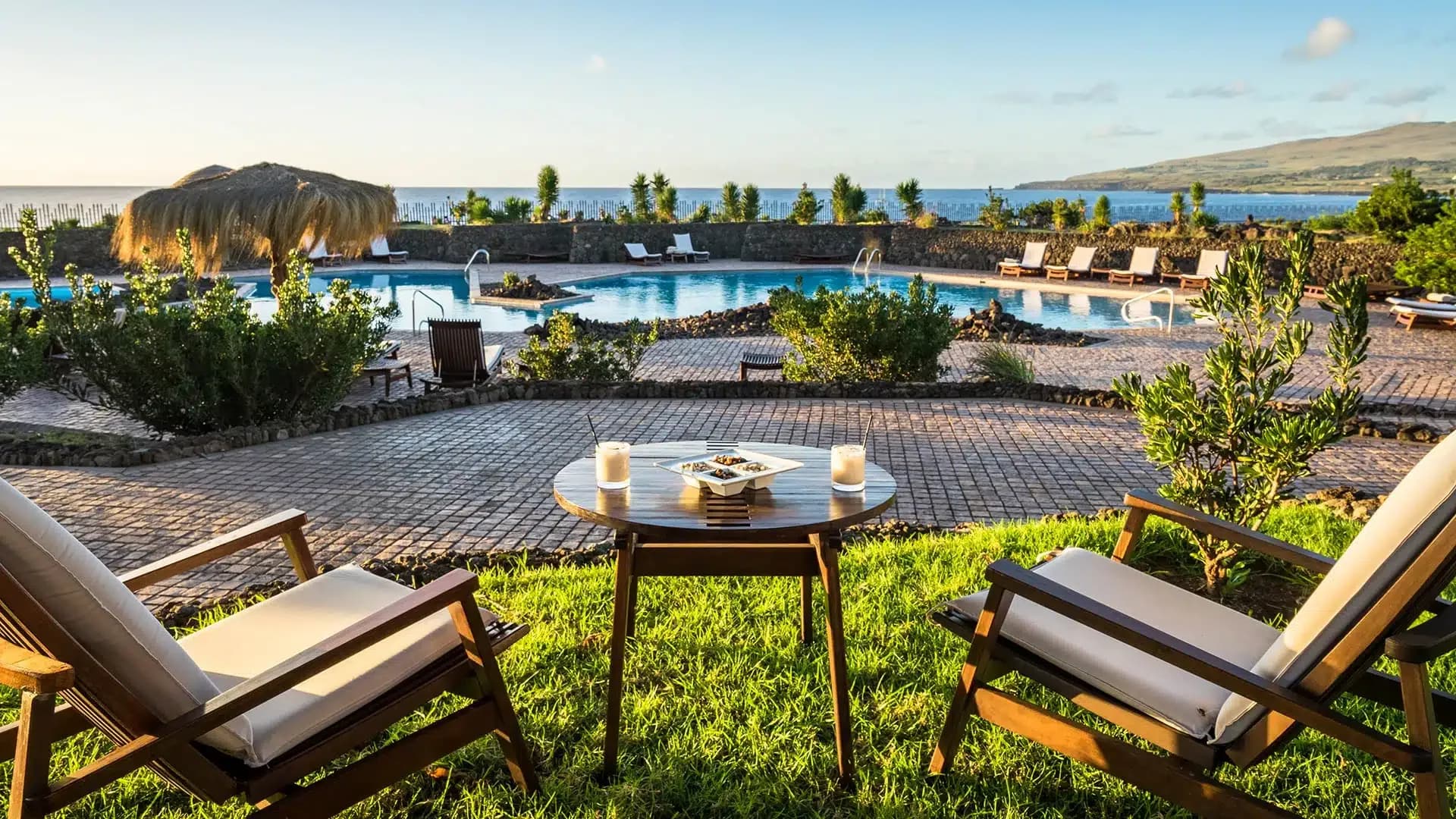
Explora Rapa Nui
The island's premier all-inclusive lodge with a curated explorations program, panoramic ocean views, and seamless access to every corner of Rapa Nui.
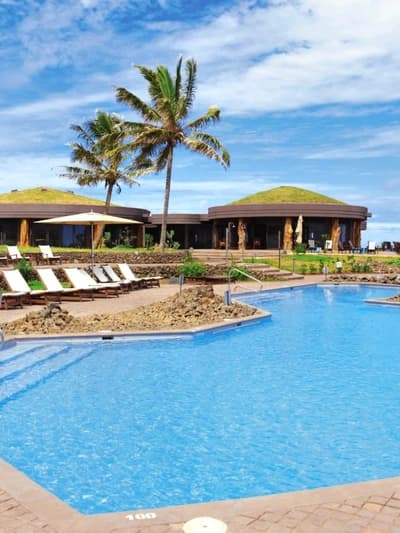
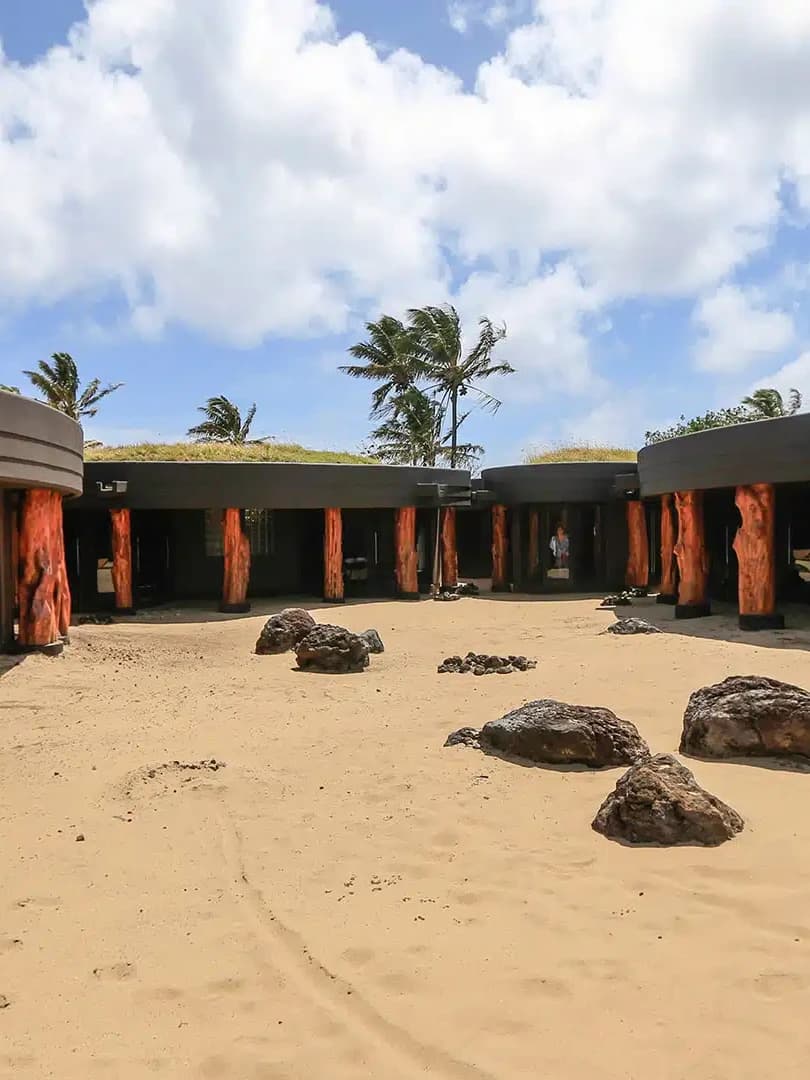
Nayara Hangaroa
Eco-luxury hotel designed with Rapa Nui cultural influences, featuring ocean-facing suites, a full spa, and the island's most refined dining.
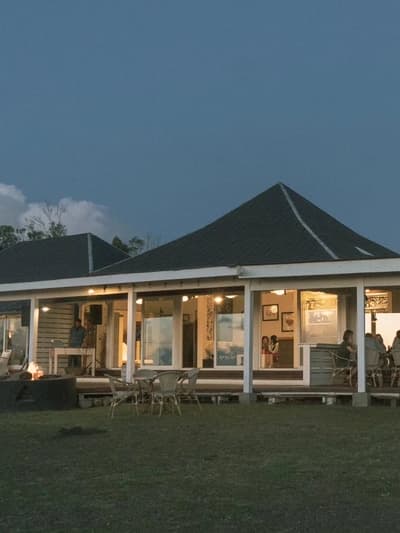

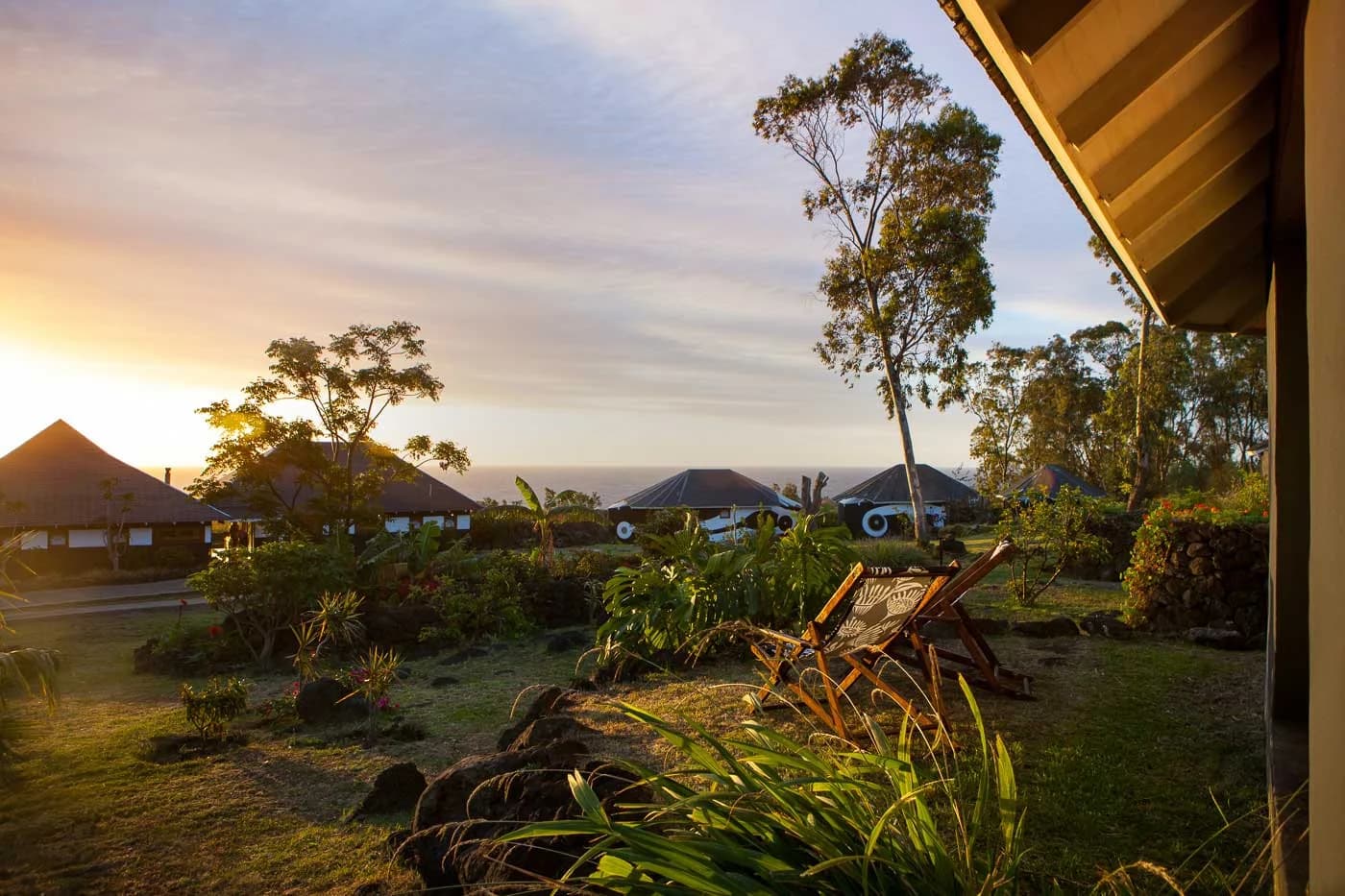
Hotel Altiplanico Rapa Nui
A hillside boutique hotel with volcanic stone architecture, lush gardens, and sweeping views over Hanga Roa and the Pacific.
Discover Easter Island
Rising from the vast South Pacific over 3,700 kilometers from mainland Chile, Rapa Nui is one of the most remote inhabited islands on Earth — and one of the most extraordinary. At Ahu Tongariki, fifteen restored Moai stand in a row against the Pacific horizon, forming the largest ceremonial platform on the island and one of the most powerful sunrise viewpoints imaginable. Nearby, the volcanic quarry of Rano Raraku reveals hundreds of statues frozen mid-creation across the hillside, while the sacred village of Orongo, perched on the rim of the Rano Kau crater, offers dramatic views and a window into the ancient Birdman cult.
Beyond the archaeology, Easter Island is a place of vivid natural beauty and living Polynesian culture. Dive into crystal-clear waters off Motu Nui with up to 60 meters of visibility, or relax on the pristine white sands of Anakena Beach backed by palm trees and restored Moai. Every February, the Tapati Rapa Nui Festival brings the island to life with traditional sports, carved body painting, music, and dance — a deep expression of Rapa Nui identity that connects the ancient past with the vibrant present.
Interested in
Easter Island?
Tell us what you have in mind and we'll put together an itinerary based on what works for you.